Podcast Storytelling
Are you struggling to connect with podcast audiences and make your message truly resonate? Showing up to podcast interviews and answering questions isn’t enough —you need to tell stories that captivate and inspire.
Many entrepreneurs and podcasters feel stuck, believing they don’t have interesting stories to share or fearing they’ll bore their listeners with their experiences. But what if storytelling could be your secret weapon for building genuine connections, establishing trust, and making your message unforgettable?
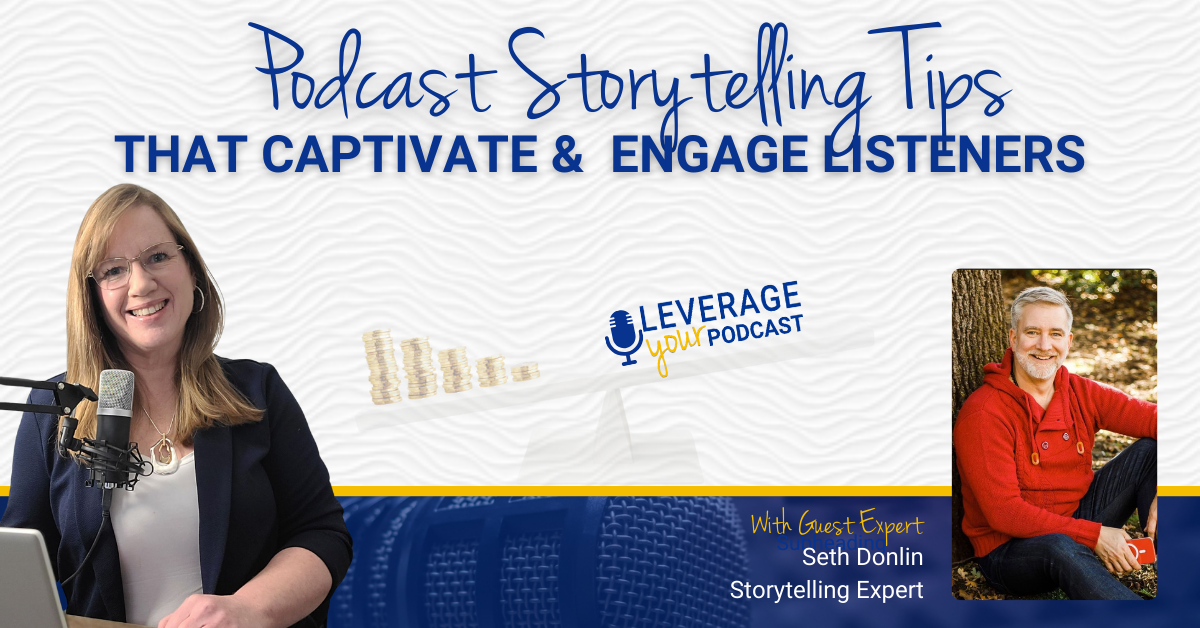
In this episode, storytelling expert Seth Donlin reveals how anyone—regardless of their background or industry—can craft compelling narratives that draw listeners in and transform how they communicate their message.
You will learn:
- Why storytelling isn’t about dramatic tales, but relatable everyday experiences that connect with audiences.
- How to start a “story journal” to capture potential narrative seeds for future content.
- The one thing that will transform your storytelling: weaving personal lessons into simple, authentic narratives.
- How to use other people’s stories strategically to illustrate points without claiming them as your own.
- Why you shouldn’t announce “Let me tell you a story” but integrate narratives seamlessly.
- How to use AI tools like ChatGPT to refine and optimize your storytelling approach.
- Why creating stories that make your audience nod and think “I’ve been there” matters most.
Key Moments:
[00:01] | Podcast Guesting Strategy and Optimization
[00:09] | Storytelling Beyond Hollywood Dramatic Narratives
[00:25] | Relatable Stories vs Impressive Stories
[00:36] | Creating a Story Journal for Content Ideas
[01:12] | Using Random Connections to Generate Story Concepts
[01:35] | Techniques for Crafting Engaging Podcast Stories
[02:28] | Emotional Connection Through Authentic Storytelling
Understanding the Power of Relatable Stories
Storytelling is often misunderstood as something reserved for Hollywood or dramatic biographies. In reality, effective storytelling is about creating genuine connections with your audience through experiences they can relate to. Many professionals get stuck thinking they need extraordinary tales of triumph to engage listeners, but the most powerful stories are often the simplest ones.
Why Everyday Experiences Matter
The most compelling stories aren’t about superhuman achievements, but about moments that feel familiar and authentic. When you share experiences that resonate with your audience, you create an emotional connection that goes beyond mere information sharing. Think about the small, everyday moments that illustrate your point – these are the narratives that truly capture people’s attention.
Developing Your Storytelling Muscle
Like any skill, storytelling requires practice and intentionality. Consider keeping a story journal where you capture interesting moments, observations, and experiences. Don’t worry about making every entry profound – just document things that catch your attention. Over time, you’ll develop an eye for transforming ordinary experiences into engaging narratives.

Practical Storytelling Techniques
One effective approach is to start with your key message and then weave a story around it. Avoid announcing “Let me tell you a story,” which can create mental distance. Instead, seamlessly integrate your narrative into your broader point. This approach creates intrigue and helps your audience naturally lean into your message.
Leveraging Technology to Improve Your Stories
Modern tools like AI can help you refine your storytelling skills. Use platforms like ChatGPT to get feedback on your narratives, helping you tighten language, improve structure, and ensure your stories remain concise and engaging. Remember, the goal is to use technology as a tool for improvement, not to replace your unique voice.
Length and Detail Matter
Aim to keep your stories between 60-90 seconds, with enough sensory details to paint a picture without losing your audience’s attention. The key is creating a narrative that feels like you’re sharing something with a friend – personal, authentic, and purposeful.
Embracing Your Unique Perspective
Don’t be afraid to use stories that aren’t exclusively your own. Case studies, historical anecdotes, and even stories about friends or colleagues can be powerful teaching tools. The important thing is maintaining authenticity and ensuring the story serves your core message.
Storytelling is less about dramatic events and more about genuine human connection. By practicing, staying curious, and focusing on relatability, you can transform your communication and create deeper connections with your audience.
About Seth:
Seth Donlin is a marketing and communications coach with over 20 years of expertise in storytelling and strategic brand-building. Focusing on the power of authentic storytelling, Seth helps his clients connect deeply with their target audiences and drive exponential growth by leveraging other people’s audiences via podcast guesting and other speaking opportunities. He is the founder of Awen A/F, a boutique strategic communications agency specializing in advising coaches, consultants, small business owners, and other for-profit and not-for-profit professionals.
Connect with Seth:
Let Me Help You Create Conversations That Convert